EXHIBITION : Look! 40 Years of Fashion at the Museum
Look ! 40 ans de mode au musée
The Museum of Decorative Arts is celebrating the 40th anniversary of the founding of the Museum of Fashion Arts within its walls through 40 iconic outfits. The major exhibition “LOOK! 40 Years of Fashion at the Museum” reveals the craftsmanship and techniques of fashion that, from the sewing workshops to behind the scenes at the museum, transform clothing into works of art. The exhibition invites visitors to follow the two lives of a garment, before and after it enters the collections. From the initial sketch to the fashion show, via fashion photography, and from the museum’s storage to the exhibition space, it unveils the stages of creation, conservation, and restoration that bring this exceptional heritage to life. Visitors can thus discover the beauty of the works and objects that contribute to the creation of a fashion piece: drawings, embroidery samples, patterns, and design archives… Enhanced by photography and worn by models whose fame was on the rise, the garment became the star of fashion shows, which were now conceived as true artistic performances.
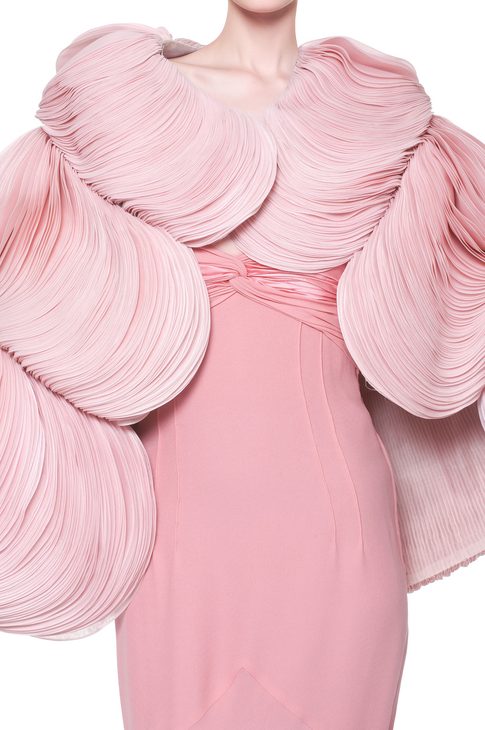
Valentino Garavanni (1932–2026) for Valentino Couture. Evening ensemble: pink silk crepe empire-waist dress, draped bustier in satin and ribbed crepe with a pointed-toe heel, pink organdy cape embroidered with a background covered in organdy petals. Rome, Fall-Winter 2007-2008 Haute Couture. Model 170 © Les Arts Décoratifs / Jean Tholance.
From September 30, 2026, to April 4, 2027, the Musée des Arts Décoratifs is celebrating the 40th anniversary of the founding, in 1986, of the Musée des Arts de la Mode within its walls with “Look! 40 Years of Fashion at the Museum.” This project highlights the craftsmanship that, from the sewing workshops to behind the scenes at the museum, transforms clothing into works of art, a status cemented by four decades of fashion exhibitions. Conceived as an immersion into two aspects of a garment’s life, from its design to its presentation on the runway; from its inclusion in national collections to its display in a museum setting, the exhibition reveals the stages of its creation, presentation, and preservation. 57 outfits, drawings, embroidery, patterns, archival materials, and fashion photographs: 220 works reveal the richness of the creative processes and how clothing becomes a cultural heritage object.
In the museum’s main hall, 40 silhouettes from major fashion houses offer an overview of the major exhibitions presented since 1986, including “Moments of Fashion,” “Christian Dior, Couturier of Dreams,” “Shocking! The Surrealist Worlds of Elsa Schiaparelli,” “Playing with Light,” and “The Mechanics of Lingerie.” They demonstrate the diversity of the museum’s approaches, ranging from a celebration of haute couture to an openness to contemporary design and a reflection on the cultural and social role of clothing. The overall curatorship of the exhibition is led by Bénédicte Gady, director of museums, and the scientific curatorship by Sophie Lemahieu, curator in charge of the contemporary fashion collections.
Paris at the Intersection of Art, Fashion and Cultural Heritage
Salome Dadeshkeliani shares her favorite piece from her visit to the Musée des Arts Décoratifs (Museum of Decorative Arts).
Reflections from the “Musée des Arts Décoratifs” by Salome Dadeshkeliani
Paris has never merely followed the passage of time; it has adorned it. There are cities in which fashion is worn, cities in which it is created, and then there is Paris, where fashion seems to belong to the very architecture of cultural memory. Within its ateliers, museums and maisons, beauty is cultivated as an inheritance.
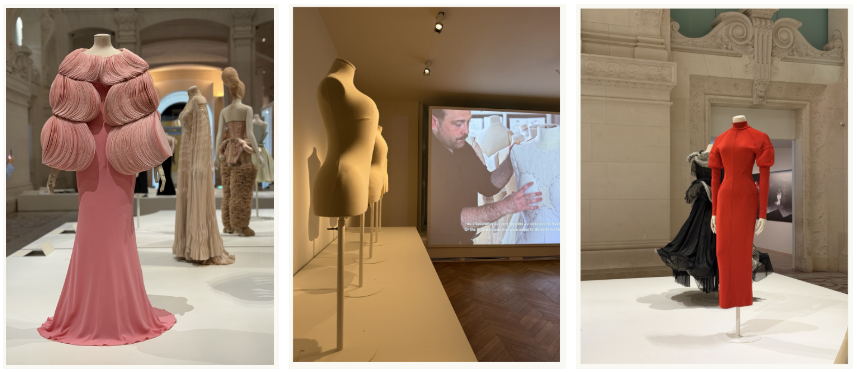
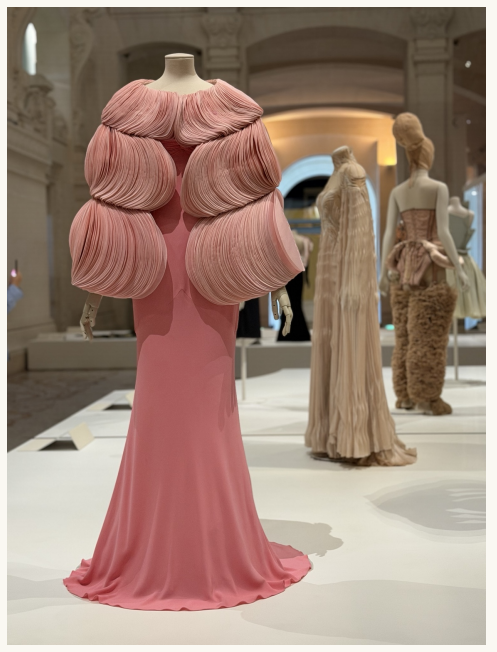
Rose-pink pleats unfold into sculptural volumes within the museum galleries.
My visit to the “Musée des Arts Décoratifs” offered an intimate encounter with that inheritance. Beneath carved stone and graceful arches, garments stood with the composure of portraits: each silhouette holding its own presence, each detail inviting a closer gaze. I found myself looking at more than clothes. I was looking at imagination given form, at the discipline beneath splendour, and at the quiet dignity of the hands that make beauty possible.
The Architecture of a Silhouette
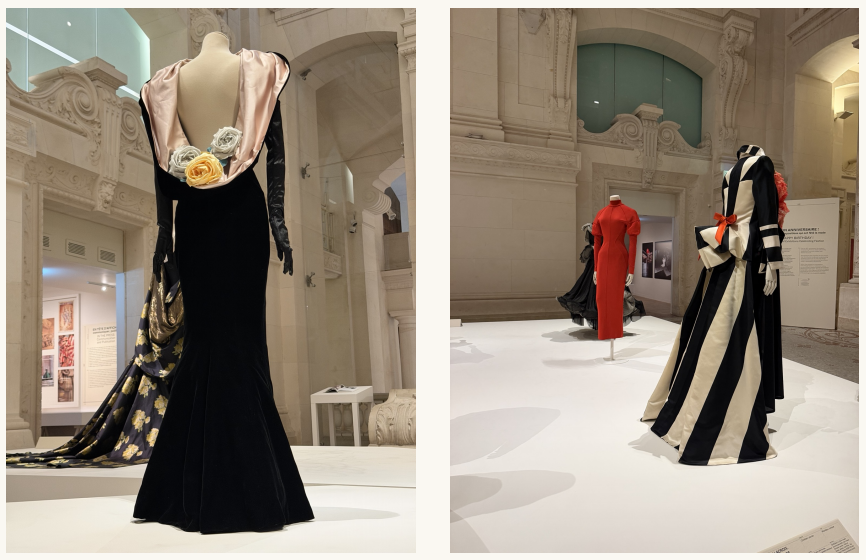
A floral gesture against black; a red bow punctuating black and ivory.
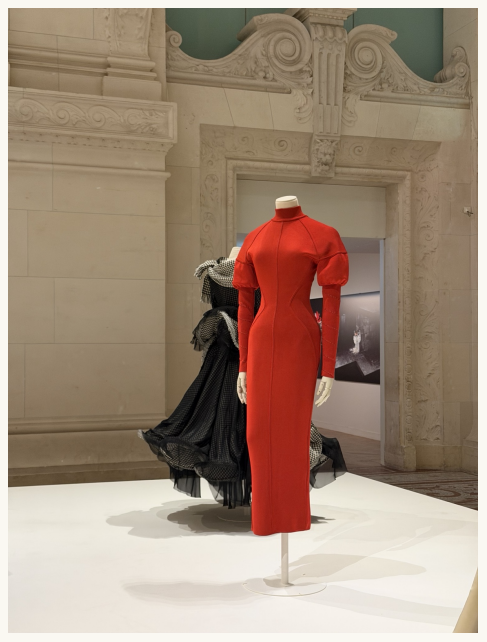
One of the most striking impressions was the sculptural authority of the silhouettes. A rose-pink gown rose in a slender column beneath generous, finely pleated forms, like petals gathered around the body. Cloth became volume, rhythm and movement. Elsewhere, a black gown carried an almost courtly gravity, illuminated by pale pink drapery and a small constellation of flowers. Beside it, broad black and ivory stripes commanded the eye, their graphic grandeur interrupted by the vivid courtesy of a red bow. The red dress offered another expression of majesty. Its high neckline, shaped shoulders and precisely defined waist created a presence that needed little ornament. Here, elegance resided in the line itself. Seen together, these creations revealed how softness can acquire the authority of sculpture. A fold can guide the gaze as a carved cornice does; a silhouette can occupy a room with the assurance of architecture. Fashion, in these galleries, seemed to build its own small palaces around the human form.
Behind the Grandeur, the Hand
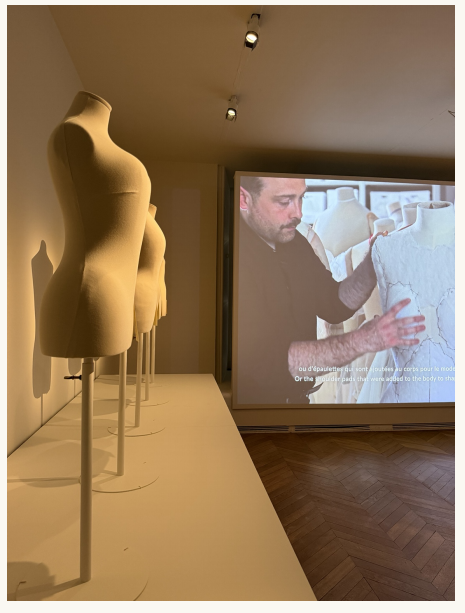
Yet one of the most meaningful moments came from a glimpse of the work behind the finished garment. Dress forms stood beside a filmed demonstration of construction, bringing the atelier into the museum and drawing attention to the making of a silhouette.
Dress forms and a filmed demonstration reveal the work beneath the silhouette.
Here, splendour returned to its beginnings: a line traced, a proportion considered, a volume patiently shaped. The finished dress might appear effortless; its creation belongs to a far more deliberate measure of time. There is something deeply noble in this process. Knowledge lives in gestures, in the judgement of a hand, in the ability to understand how fabric will fall before it has found its final form.
Luxury is what contains time, mastery and memory.
The atelier reminded me that craftsmanship deserves attention equal to the spectacle it makes possible. Its distinction lies in patience and in the transmission of skill. To preserve a garment is also to honour the intelligence that brought it into being.
Paris: Where the Past Is Never Silent
The setting gave the garments another dimension. Carved stone, scrolls and arches surrounded the silhouettes, allowing the language of dress to meet the language of architecture. Ornament on the walls answered the movement of fabric; the room itself became part of the encounter. This dialogue felt distinctly Parisian. Heritage appeared as a living presence, capable of offering contemporary imagination a vocabulary of proportion, ceremony and grace.
A vivid red silhouette framed by the ornament of the museum interior.
To me, the influence of Paris begins here: in the habit of looking closely, of allowing an earlier form to inspire a new gesture, and of granting craftsmanship a place within cultural memory. During my time in Paris for Fashion Week, I carried this impression beyond the galleries. The city became a frame through which to read fashion, its streets and façades lending depth to each new vision. The museum gave that experience a quieter centre: a place to pause and consider what remains after the spectacle.
Fashion as a Cultural Language
A garment can hold the ideals of an era, the imagination of a designer and the knowledge of an artisan. Placed within a museum, it asks to be considered with the same care we give to other forms of artistic expression. Its beauty becomes an invitation to read the culture within it. From the perspective of cultural diplomacy, this is where fashion acquires a particular resonance. A silhouette may awaken curiosity before a word is spoken; craftsmanship may offer an introduction to a place, a tradition or a way of seeing. Such encounters create openings for conversation across borders. At MAD Paris, I felt that this conversation was carried by the objects themselves. The authority of a sculpted line, the delicacy of a flower and the patience of a pleat each revealed a different aspect of creative excellence. Together, they suggested how a city can share its cultural identity through the work it preserves and presents.
A City That Teaches Fashion to Remember
Leaving the museum, I carried with me a deeper understanding of Paris’s place in the art of fashion. Its influence seemed to rest in the relationship between invention and inheritance, in the permission it gives beauty to evolve while retaining a sense of lineage. There was something almost royal in that continuity: the dignity of an idea passed from one generation to another, transformed by each new hand, yet still bearing the trace of those who came before. My visit felt like a conversation between the hand of the artisan and the imagination of the designer, between the grandeur of the setting and the daring of the silhouette. Paris gave that conversation a home, and invited me to listen.
Paris gives fashion a memory and, with characteristic grace, invites each generation to make that memory new again.
Look ! 40 ans de mode au musée
From September 30, 2026, to April 4, 2027, the Musée des Arts Décoratifs is celebrating the 40th anniversary of the founding, in 1986, of the Musée des Arts de la Mode within its walls with “Look! 40 Years of Fashion at the Museum.”
Musée des Arts décoratifs
107, rue de Rivoli – 75001 Paris – FRANCE
More information : +33 (0)1 44 55 57 50
Metro: Palais-Royal, Pyramides, or Tuileries
Bus: 21, 27, 39, 68, 69, 72, 95
Website : madparis.fr
— Follow MAD PARIS
facebook.com/madparis
instagram.com/madparis
Information :
- Chief Curator: Bénédicte Gady, Director of Museums
- Curator: Sophie Lemahieu, Curator in Charge of Fashion and Textile Collections from 1947 Onward
- Assisted by Hannah Morelle
Poster : Valentino Garavanni (1932–2026) for Valentino Couture. Evening ensemble: pink silk crepe empire-waist dress, draped bustier in satin and ribbed crepe with a pointed-toe heel, pink organdy cape embroidered with a background covered in organdy petals. Rome, Fall-Winter 2007-2008 Haute Couture. Model 170 © Les Arts Décoratifs / Jean Tholance.
- Restoration of fashion pieces held in the collection of the Musée des Arts Décoratifs, made possible thanks to the support of Christine and Stephen A. Schwarzman.
- With the support of DEFI and the Friends of the Musée des Arts Décoratifs.
- With the participation of René and Marie-France Kern.
Press opening in october attended by:
- Catherine Pegard, Minister of Culture
- Lionel Sauvage, President
- Sophie-Justine Lieber, Executive Director
- Bénédicte Gady, Director of Museums
Selection by :
Rachel Joulia-Helou, Editor-in-Chief of the AMILCAR MAGAZINE GROUP & THE RIGHT NUMBER MAGAZINE.
Salome Dadeshkeliani, contributor for AMILCAR MAGAZINE GROUP & THE RIGHT NUMBER MAGAZINE.
AMILCAR MAGAZINE GROUP (35 magazines) & THE RIGHT NUMBER MAGAZINE.
Sélections :
- AMILCAR MAGAZINE GROUP – Instagram : @amilcarmagazine
- Rachel Joulia-Helou, Editor-in-Chief of the AMILCAR MAGAZINE GROUP & THE RIGHT NUMBER MAGAZINE.
- Alexandre Joulia, deputy editor and photographer for the AMILCAR MAGAZINE GROUP & THE RIGHT NUMBER MAGAZINE.
AMILCAR MAGAZINE GROUP & THE RIGHT NUMBER MAGAZINE.
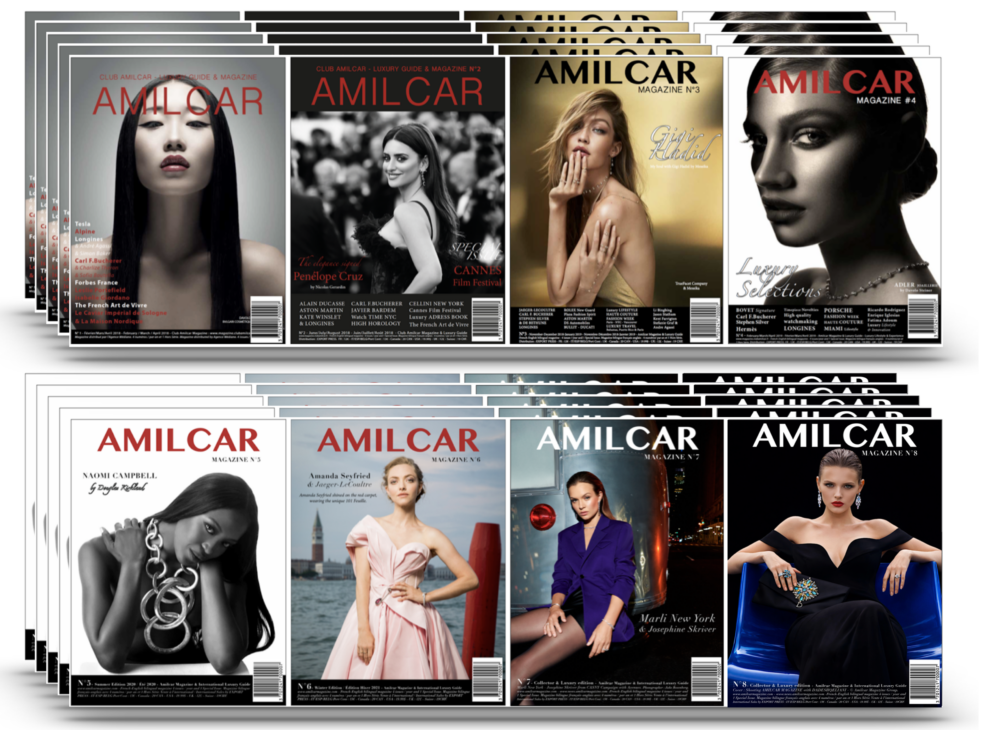
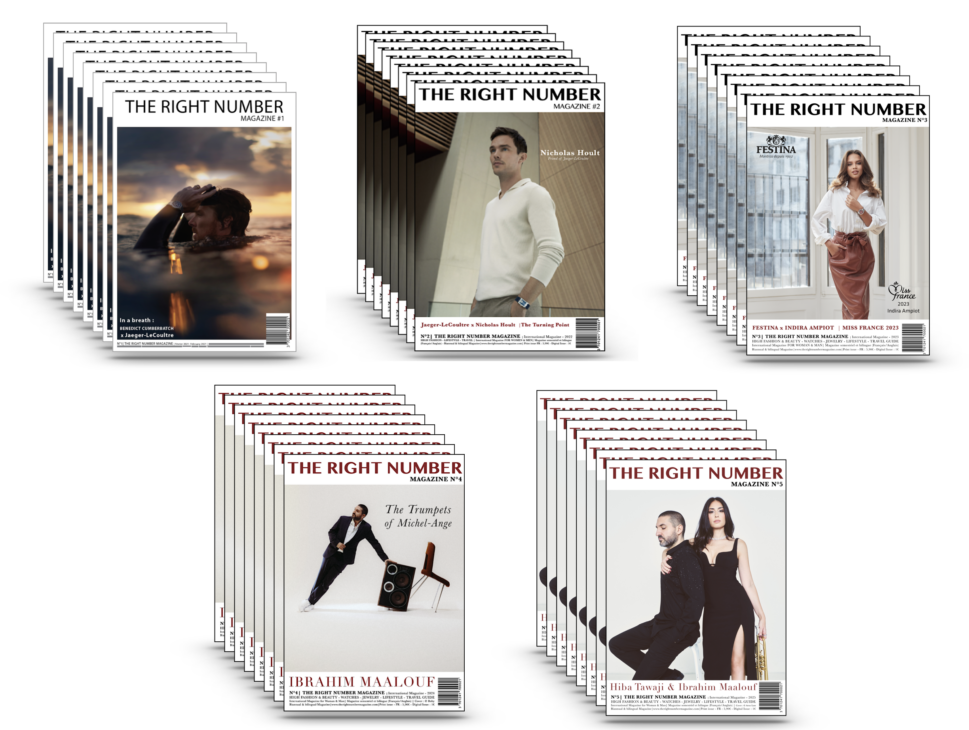
AMILCAR MAGAZINE GROUP (35 magazines)
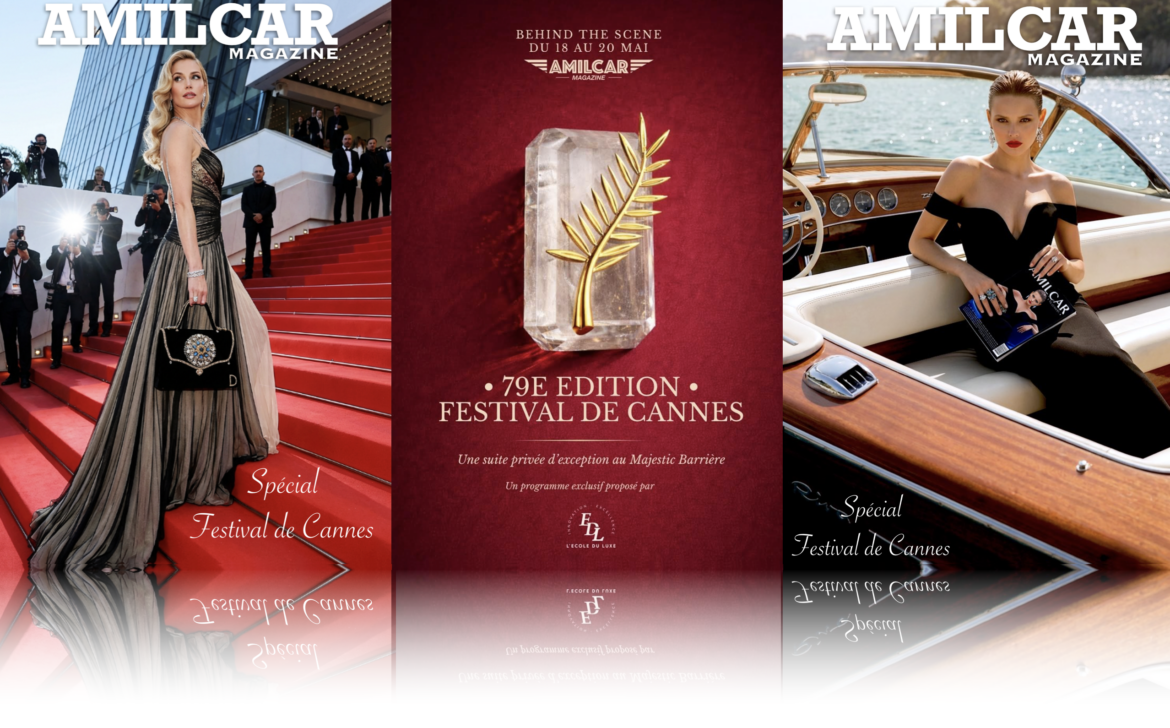
Selections:
- AMILCAR MAGAZINE GROUP Editorial Favorite – Instagram: @amilcarmagazine
- Rachel Joulia-Helou, editor-in-chief of the AMILCAR magazine group.
- Alexandre Joulia, deputy editor-in-chief and photographer for the AMILCAR MAGAZINE group .

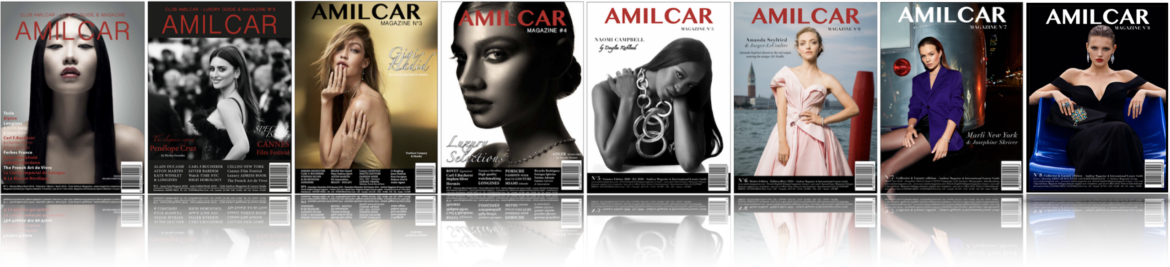
AMILCAR MAGAZINE GROUP (35 magazines)
- AMILCAR MAGAZINE GROUP: https://linktr.ee/amilcarmagazine
- CLUB AMILCAR : https://clubamilcar.fr/ | https://club-amilcar.com/
- Amilcar Magazine Group – 35 magazines : linktr.ee/amilcarmagazine
AMILCAR MAGAZINE GROUP (35 magazines) & THE RIGHT NUMBER MAGAZINE
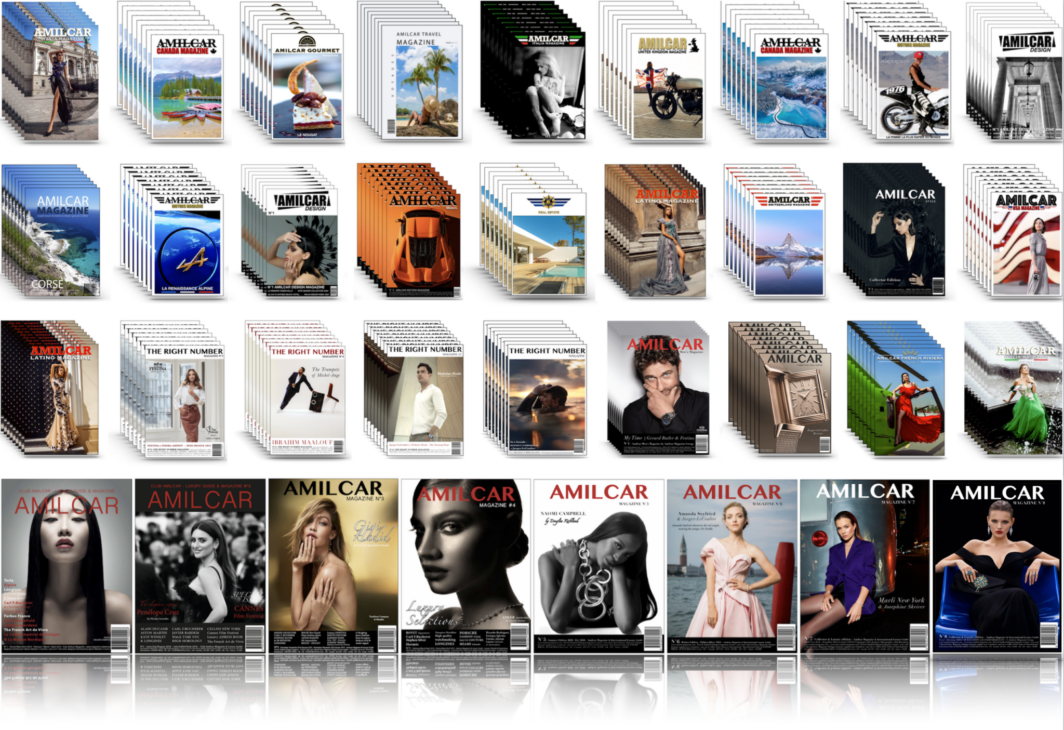
Amilcar Magazine Group – 35 magazines : linktr.ee/amilcarmagazine
- AMILCAR MAGAZINE GROUP – Instagram: @amilcarmagazine
- Rachel Joulia-Helou, editor-in-chief AMILCAR MAGAZINE GROUP.
- Alexandre Joulia, Deputy Editor-in-Chief and Photographer, AMILCAR MAGAZINE GROUP.
AMILCAR MAGAZINE GROUP
AMILCAR MAGAZINE to discover on Linktr.ee: linktr.ee/amilcarmagazine
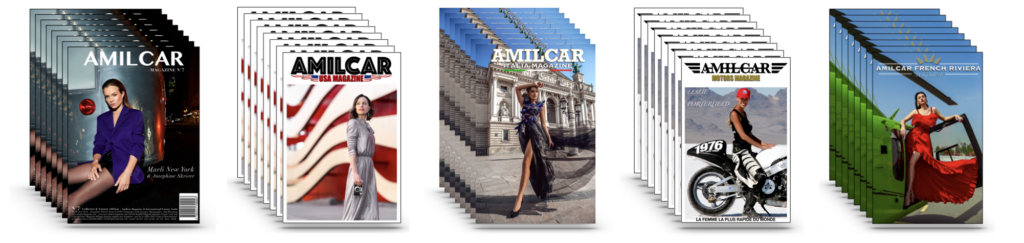
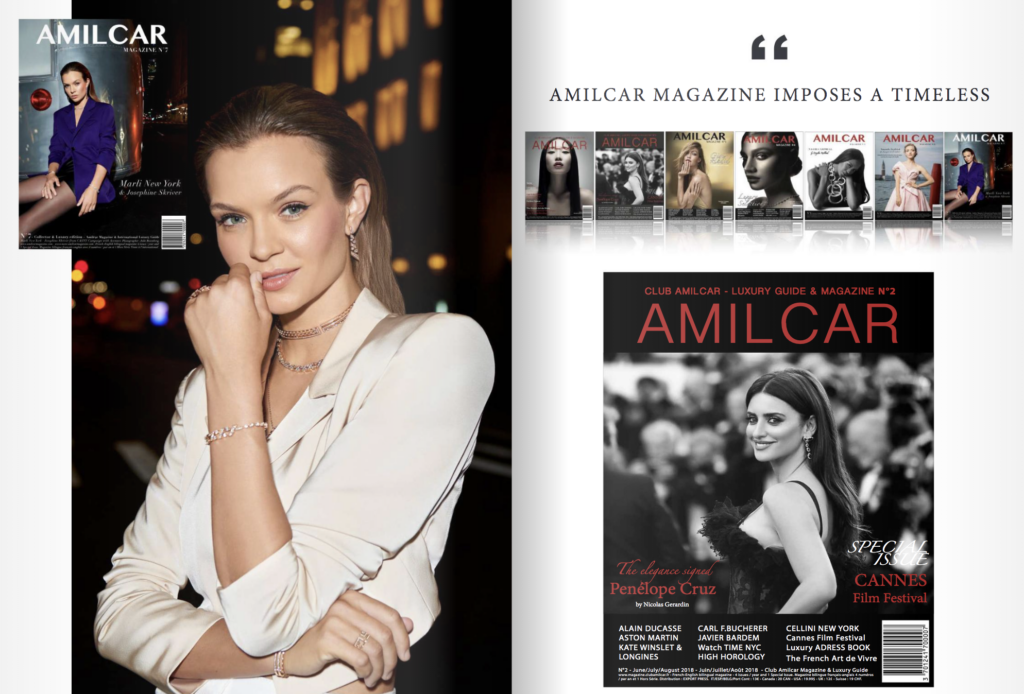
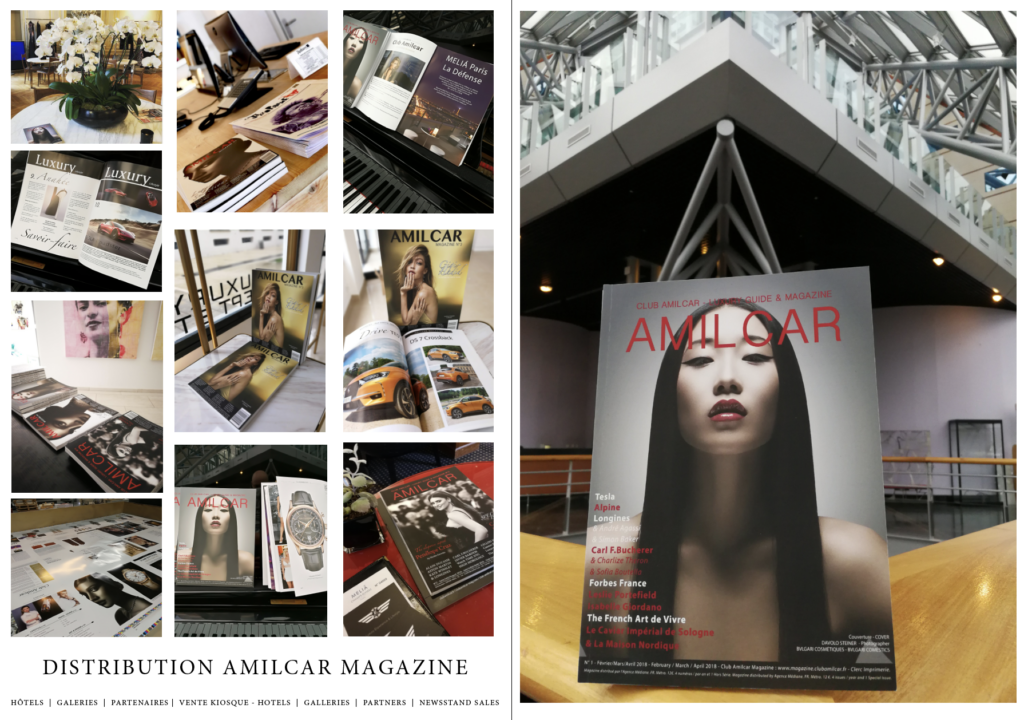
Publishers :
- Rachel Joulia-Helou, editor-in-chief of AMILCAR MAGAZINE GROUP.
- Alexandre Joulia, photographer and deputy editor of AMILCAR MAGAZINE GROUP.
More information about AMILCAR USA MAGAZINE – AMILCAR CANADA MAGAZINE – AMILCAR UK MAGAZINE – AMILCAR ITALIA MAGAZINE – AMILCAR LATINO MAGAZINE – AMILCAR SWITZERLAND MAGAZINE – AMILCAR ARABIA MAGAZINE – AMILCAR ASIA MAGAZINE – AMILCAR MAGAZINE GROUP – 35 MAGAZINES :
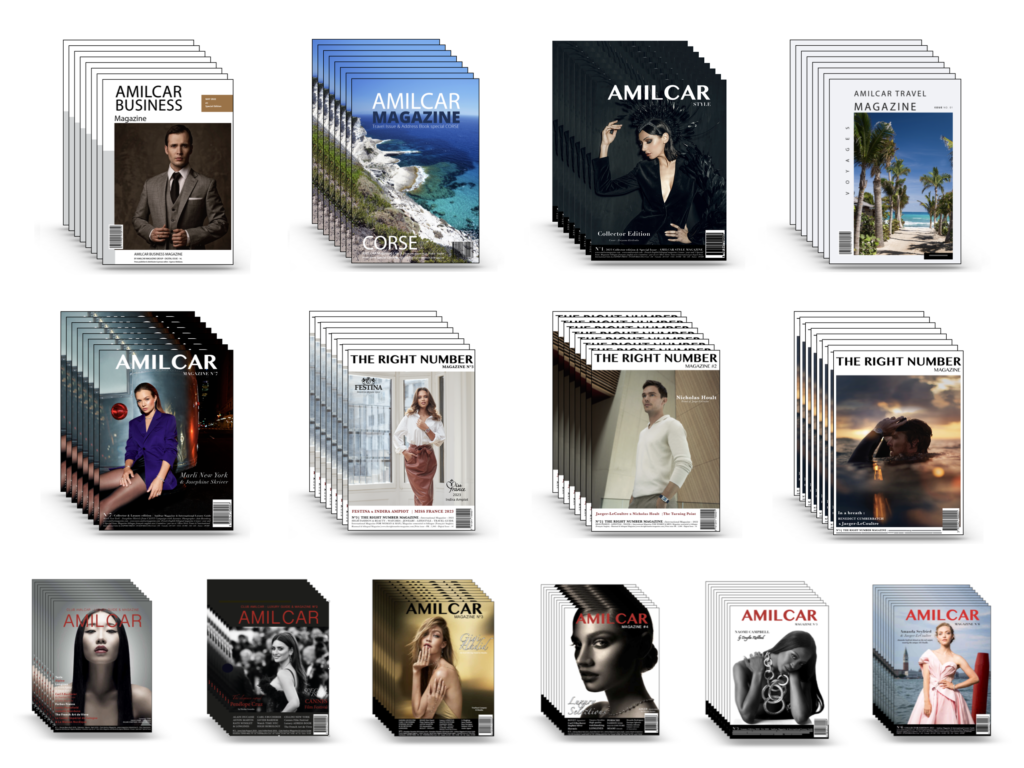
- Rachel Joulia-Helou: Editor-in-chief of AMILCAR MAGAZINE GROUP
- rachel@amilcarmagazine.com
- alexandre@amilcarmagazine.com
- usa@amilcarmagazine.com
- uk@amilcarmagazine.com
- italia@amilcarmagazine.com
- frenchriviera@amilcarmagazine.com
- latino@amilcarmagazine.com
- corsica@amilcarmagazine.com
- canada@amilcarmagazine.com
- asia@amilcarmagazine.com
- arabia@amilcarmagazine.com
- contact@amilcarmagazine.com
AMILCAR MAGAZINE GROUP :


- AMILCAR MAGAZINE GROUP
- AMILCAR MAGAZINE
- AMILCAR LUXURY MAGAZINE
- AMILCAR YACHTING MAGAZINE
- AMILCAR USA MAGAZINE
- AMILCAR UK MAGAZINE
- AMILCAR CANADA MAGAZINE
- AMILCAR CORSICA MAGAZINE
- AMILCAR SWITZERLAND MAGAZINE
- AMILCAR ITALIA MAGAZINE
- AMILCAR LATINO MAGAZINE
- AMILCAR FRENCH RIVIERA MAGAZINE
- AMILCAR ARABIA MAGAZINE
- AMILCAR ASIA MAGAZINE
- AMILCAR MOVIES MAGAZINE
- AMILCAR BUSINESS MAGAZINE
- AMILCAR CHRONOS MAGAZINE
- AMILCAR MEN’S MAGAZINE

- AMILCAR STYLE & BEAUTY MAGAZINE
- AMILCAR STYLE MAGAZINE
- AMILCAR BEAUTY MAGAZINE
- AMILCAR FASHION MAGAZINE
- AMILCAR GOURMET MAGAZINE
- AMILCAR DESIGN MAGAZINE
- AMILCAR KIDS MAGAZINE
- AMILCAR WATCHES MAGAZINE
- AMILCAR SEASIDE MAGAZINE
- AMILCAR TRAVEL MAGAZINE
- THE RIGHT NUMBER MAGAZINE
- ALENA INSPIRATIONS
- BY RACKEL SELECTIONS
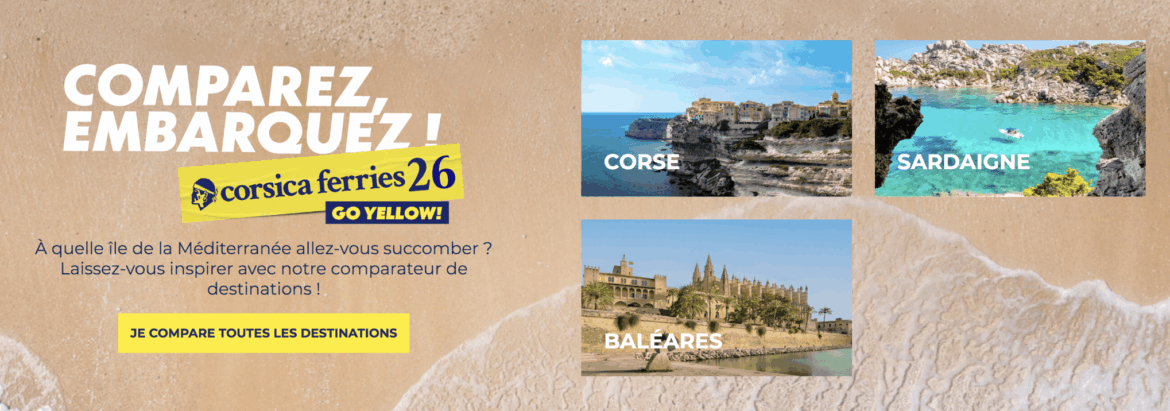

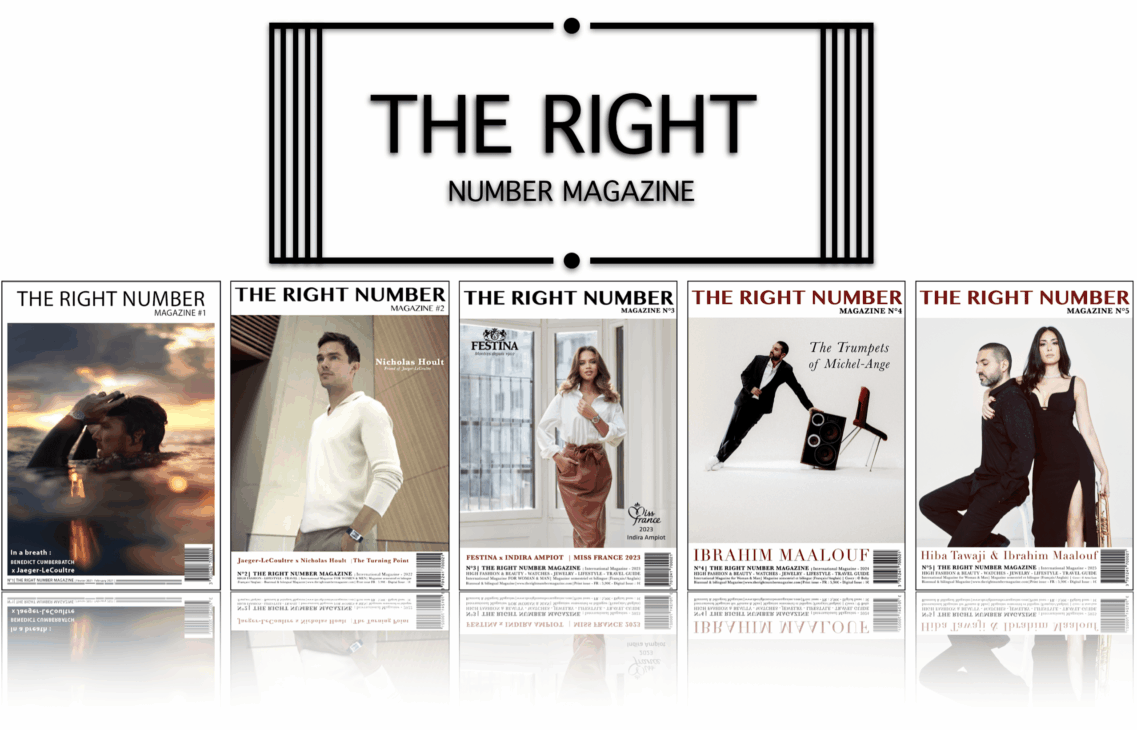
AMILCAR MAGAZINE & THE RIGHT MAGAZINE ISSUE:
CLUB AMILCAR GROUP :
- CLUB AMILCAR: Concierge & Luxury Shopping
- AMILCAR LUXURY SELECTIONS – SHOPPING
- AMILCAR TRAVEL by CLUB AMILCAR
- AMILCAR SHOP GIFT CARD